
Women in Web
Power Is Sometimes
What the automotive aftermarket taught me about getting the job done
Women in Web: Why My Goal Is Not to Be Heard
I get spoken down to by other agencies and IT companies more often than you would think. Years in the automotive aftermarket industry taught me the goal is not to be heard. It is to quietly get my client what they actually need.
Created: June 16, 2026 | Reading Time: 5 mins


I get underestimated more often than you might expect. That’s fine. My job isn’t to win the conversation. It’s to make sure my clients get the right outcome.
I don’t have the experience with clients but with hosting companies, IT departments and the occasional developer on the other end of a support ticket. I will be on a call sorting out a DNS issue or a server config, and somewhere in the first few minutes the tone shifts. The explanation slows down. The person starts defining words I used in my own question back to me. Every now and then someone will ask, very politely, whether they can speak to the developer, while they are speaking to the developer.
For a long time my instinct was to correct it on the spot. To prove I knew exactly what I was talking about, to win the moment, to make sure the person on the other end understood who they were dealing with. It is a very human reaction. It is also, I have learned, almost always the wrong one.
What the automotive industry taught me
Before I built websites, I spent years in the automotive aftermarket industry. I started as a rep for a company that serviced around 85 per cent of the market, which meant I was in front of Sales, service and parts departments and workshops all day, every day. If you want a fast education in being underestimated, that is a good place to get one. A woman walking into a male dominated showroom was, to a certain kind of person, a novelty to be tested before I had said a single word.
I did not stay in that seat. I went on to become the state trainer, and then I was training aftermarket departments nationally. The people I had once had to win over were now sitting in my sessions. That arc taught me something I have never let go of. The person who has to announce their authority usually has the least of it. Real credibility is quieter than that. It shows up in whether the work gets done, not in whether anyone acknowledged you while it happened.
What those years taught me, slowly and not always gently, is that the loudest person in the room is rarely the one in control. The people who actually got the outcome they wanted were calm. They knew their numbers. They let the other person talk themselves into a corner and then quietly closed the gap. Power, it turns out, is often the quietest thing in the room.
That lesson followed me into web development, where the stakes are different but the dynamic is identical. A migration that has to go smoothly. A plugin conflict taking a client’s store offline. A third party who controls a piece of the puzzle I need access to. In every one of those moments there is a version of me that wants to be acknowledged as the expert, and a version that just wants the problem solved. They are not the same goal, and only one of them helps the client.

My goal is not to be heard
This is the part that took me years to make peace with. When someone on a support call talks down to me, the satisfying move is to put them in their place. The professional move is to ask myself a single question. Does winning this exchange get my client closer to what they need? Almost always, the answer is no.
If a hosting tech has decided I am not technical, I do not need him to revise that opinion. I need him to flip the setting, open the port, restore the backup, or escalate the ticket. So I let the assumption sit there, completely uncorrected, and I steer the conversation towards the outcome. I ask precise questions. I reference the exact log entry, the specific error, the line in the documentation. I make it easy for the right thing to happen. The recognition is irrelevant. The result is everything.
There is a strange freedom in that. When you stop needing to be seen as the smartest person on the call or to needing to defend your position, you get a lot more done. You are not spending energy defending your credentials. You are spending all of it on the actual job. And more often than not, the person who started out condescending ends the call a little confused about how the problem got solved so fast.
Quiet is not the same as passive
I want to be careful here, because “power is sometimes quiet” can be misread as “women should keep their heads down and tolerate being dismissed”. That is not what I mean at all. Quiet power is not passivity. It is not letting people walk over you. It is choosing your moment, and choosing your goal, with intent.
There is a real difference between losing an argument and deciding the argument is not worth having. When I let a condescending comment slide, I am not conceding that the person is right. I am deciding that my client’s deadline matters more than my ego. That is a position of strength, not weakness. The control stays with me, because I am the one choosing what to engage with and what to ignore.
And when it does matter, when being underestimated is about to cost a client money, or someone is about to make a decision based on the assumption that I do not understand the technical reality, that is when I speak up, clearly and without apology. Saving my voice for the moments that count is exactly what makes it land when I use it.
Why this matters for the people I work for
If you are a DeCODE client, most of this happens completely out of your sight, and that is the point. When your site has an issue that involves a third party, whether that is a host, a payment gateway, a domain registrar, or an old developer who still controls something they should not, I am the one in those conversations. You do not see the moments where I get talked down to. You see the part where the problem is fixed and your business keeps running.
I think a lot of agencies get this backwards. They treat every interaction as a chance to look impressive, and clients end up paying for that ego in delays and stand offs and CC’d emails that go nowhere. I would rather be quietly effective. I would rather you never know how a problem got solved, only that it did, quickly, and without drama.
Being a woman in this industry has handed me a slightly odd advantage. Because I have spent so long being underestimated, I never assume the loudest voice in the room is the most capable one, and I never confuse being acknowledged with getting the job done. Those two things are completely separate. The aftermarket taught me that. The server rooms only confirmed it.
So if we are ever on a call together and someone tries to route around me to find the “real” developer, do not worry about it on my behalf. I am not trying to win that one. I am already three steps ahead, getting you what you actually came for. That is the whole job. Everything else is noise.
On this page
We’re here to help you DeCODE the Digital World
DeCODE builds breathtaking websites that drive sales for your business without a price that would take your breath away.
We understand that Companies don’t need websites. Companies need a regular stream of high-quality leads. Customers eager, educated, and ready to purchase their products or share their vision. This is the core of a DeCODE build.
In 2026 websites are no longer set and forget, winning an online race is now a marathon, not a sprint. Visually stunning sites with limited back end functionality and no ability to perform in search are redundant.
At DeCODE we build sites that perform.
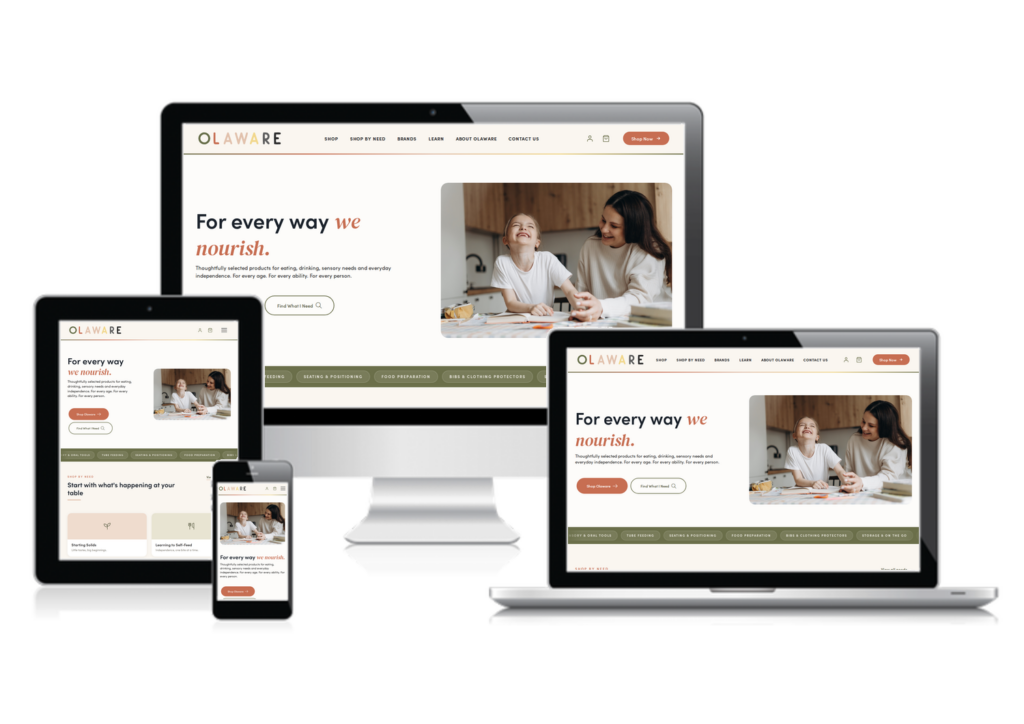
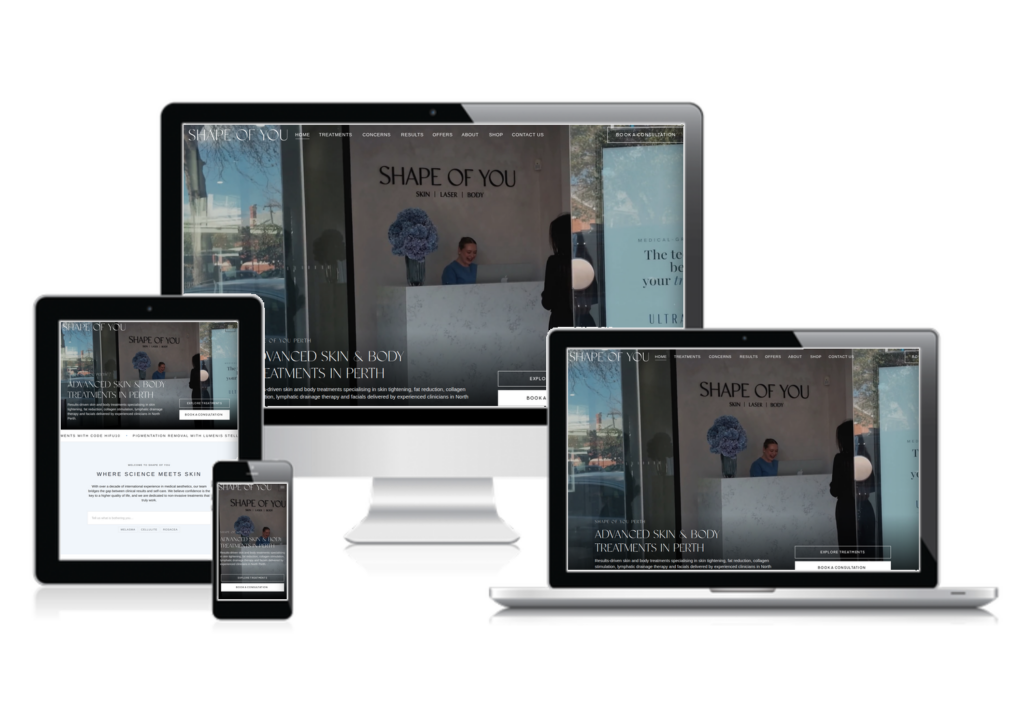
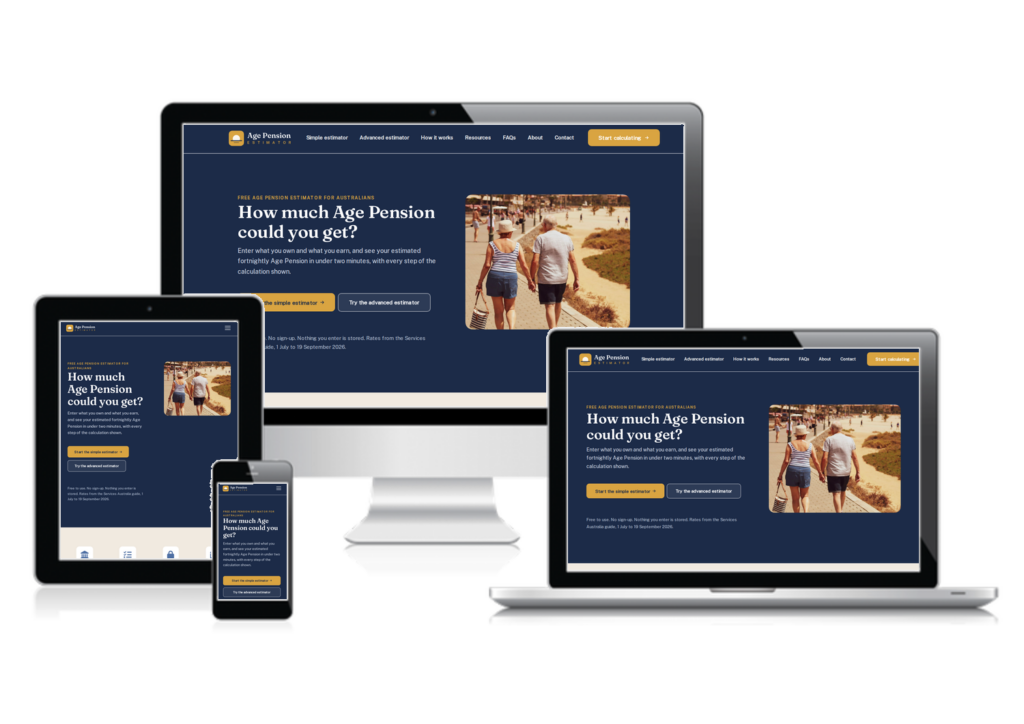
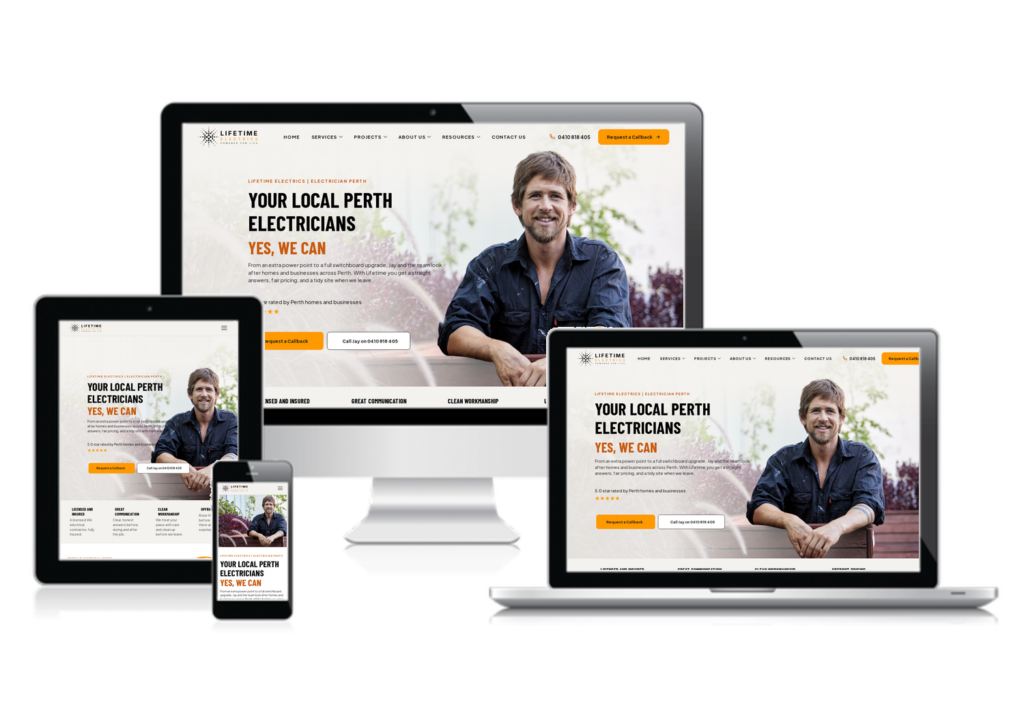



Ilana is a Web Designer & Development Consultant with 15+ years building websites that actually perform: ecommerce stores, membership platforms, training portals, and SEO rebuilds that turn slow, dated sites into properties that rank and convert.