
Using AI With Intention
Why Web Builds
How AI is used here at DeCODE and Hopefully in the wild
Using AI With Intention: Why The Best Web Builds Still Need a Human at the Wheel
AI sits in DeCODE's toolkit as a draft accelerator, but every word and every line of code still passes through a human editor before it reaches a client's site.
Created: May 31, 2026 | Reading Time: 3 mins


There’s a version of “using AI” that I’m not interested in.
It’s the one where you type a prompt, paste the output, and ship it. It’s the version that’s flooding the internet with generic copy, lookalike layouts, and websites that technically work but don’t actually do anything for the people who own them. It’s fast. It’s cheap. And you can spot it from a mile away.
That’s not how I build.
AI is in my toolkit. It is not running the show.
At DeCODE, I use AI every day. It helps me get from a half-formed idea to a working draft faster. It helps me restructure messy client notes into a clean content map. It helps me write the first pass of a service page so we have something real to react to instead of staring at a blank screen. It writes code I would have written anyway, just quicker, so I can spend that time on the parts of the build that actually need judgement.
But none of that work goes live untouched. Every word, every block, every line of code passes through me before it reaches a client’s site. Because the moment you stop being the editor, AI stops being useful and starts being a liability. The websites you see that “feel a bit off” are almost always the ones where someone let the AI hold the pen the whole way through.
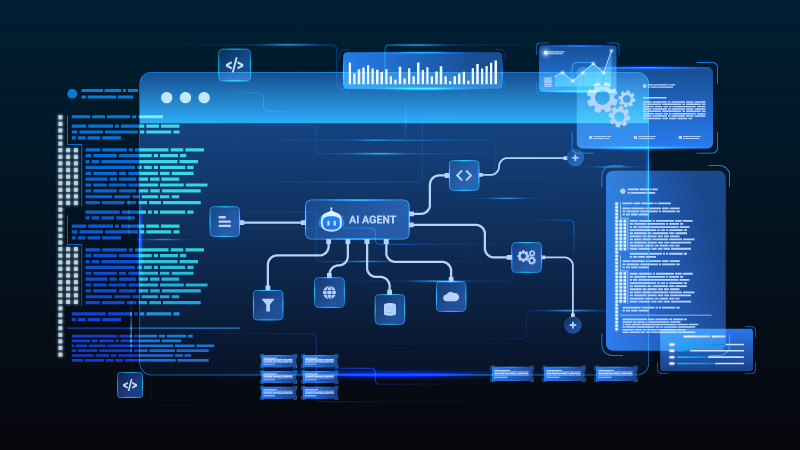
What changed for me, and what didn’t
When I first started folding AI into my workflow, I was nervous about the same thing every web designer is nervous about. Would the work get more generic? Would clients start to feel like they were paying for something a chatbot could do?
What actually happened was the opposite. The boring parts of the job got faster, which gave me more room to spend on the parts that were always going to make or break a website. Strategy. Brand voice. Customer journey. The little decisions about hierarchy and tone and what to leave off the page that you cannot outsource to a machine, because they require you to actually understand the business you are building for.
My role did not shrink. It sharpened.
What AI is genuinely good at
When I am building a site, AI helps me:
- Draft first versions of copy that I then sharpen into something that sounds like the client, not like a chatbot.
- Spin up component variations so we can compare three layouts in the time it used to take to mock up one.
- Translate a client’s industry jargon into plain English their customers will actually understand.
- Tidy up the dull but important stuff like alt text, meta descriptions, and structured data, so nothing gets skipped when deadlines tighten.
- Stress-test my own copy by asking what a sceptical first-time visitor would still find confusing.
It also unblocks me. Anyone who has built websites for a living knows the specific feeling of opening a fresh page for the home of a business you are still getting to know, with a blinking cursor and no idea where to start. AI is brilliant for that moment. It does not give me the right answer, but it gives me something to react to, and reacting is much easier than inventing.
That is the part that propels a build forward. It is the equivalent of having a very fast junior designer in the room who never gets tired, never complains about revisions, and never has an off day. Useful. Worth having. Not the one making the final call.
What AI is genuinely bad at
AI does not know your customer. It does not know why your last campaign flopped, or which competitor is breathing down your neck, or that one phrase your most loyal customers always use when they describe what you do for them. It does not know that the photo of you on site at a job tells a better story than any stock image ever could. It does not know that the line you say off the cuff in your discovery call is actually the perfect headline for your home page.
It also does not know what a good website does. It can produce something that looks like a website. Getting it to do the actual job (convert the right visitor, rank for the right search, load fast on a dodgy regional connection, hold up when your business changes shape in two years’ time) is a different problem. That is strategy, and strategy is still a human sport.
And there is one more thing AI is terrible at, which I think is the most important. It is incapable of pushing back. It will cheerfully produce whatever you ask for, even when what you asked for is the wrong thing to ask for. A good web designer is half therapist, half translator, and a non-trivial amount of the value you bring is in saying, gently, “I hear what you want, but here is what your customers actually need.” AI will never do that. It will just give you a more polished version of the wrong brief.
The thinking is the work
Here is the thing nobody says out loud:
AI makes the easy parts of web design easier, and the hard parts more important.
The hard parts have not moved. They are still the same ones they have always been. Understanding what a business actually sells, which is rarely what they think they sell. Sitting with a client long enough to hear the real brief underneath the brief. Choosing what to leave off the page. Knowing when a beautiful homepage is the wrong answer because the customer journey actually starts on Instagram. Knowing when to fight for a decision the client does not love yet, because in six months they will thank you.
None of that is faster with AI. It is just less crowded out by busywork now that AI handles the busywork.
If anything, the bar has gone up. When the easy stuff is easier for everyone, the only thing that separates a good website from a forgettable one is the thinking behind it. The taste. The thousand small choices about colour, spacing, sequence, and word count that nobody notices when they are right and everybody notices when they are wrong. That work is still very, very human.
Why this matters for the people I build for
When you work with me, you are not paying for someone to run prompts. You are paying for the part that comes before and after. The strategy, the taste, the judgement, the years of knowing what works on the web and what only looks like it does. AI sits in the middle, where it should, speeding up the build so we can spend more time on the parts that move the needle for your business.
In practical terms, here is what that looks like for you. Your site comes together faster, without cutting the corners that matter. You get a designer who is actually thinking about your customers, not just outputting on your behalf. Your copy sounds like you, because the AI got us to a starting point and then I spent real time making it sing. Your build holds together six months later, because the decisions were made by someone who understood why they were being made.
And when something goes wrong, because something always does eventually, there is a human who can fix it. Someone who remembers why your button is that specific shade of blue, why the services page is structured the way it is, and why we chose to keep that one slightly unusual phrase on the home page instead of softening it. That memory, that context, that why, is what makes a website maintainable instead of disposable.
The version of AI I am interested in
There is going to be more of this conversation, not less. Every business owner I speak to is wondering what AI means for them, what to embrace, what to ignore, and how to tell the difference. I think the honest answer is that AI is a very good tool in the hands of someone who already knows what they are doing, and a very risky one in the hands of someone who does not.
For me, it is the version that frees up my best thinking instead of replacing it. The version that helps me build faster without building worse. The version that means clients get more of my attention on the parts of their business that actually matter, not less.
// THE TAKEAWAY
That is the version of AI I am interested in. The one that gives me more time to do the part of this job that was always going to require a person.
On this page
We’re here to help you DeCODE the Digital World
DeCODE builds breathtaking websites that drive sales for your business without a price that would take your breath away.
We understand that Companies don’t need websites. Companies need a regular stream of high-quality leads. Customers eager, educated, and ready to purchase their products or share their vision. This is the core of a DeCODE build.
In 2026 websites are no longer set and forget, winning an online race is now a marathon, not a sprint. Visually stunning sites with limited back end functionality and no ability to perform in search are redundant.
At DeCODE we build sites that perform.

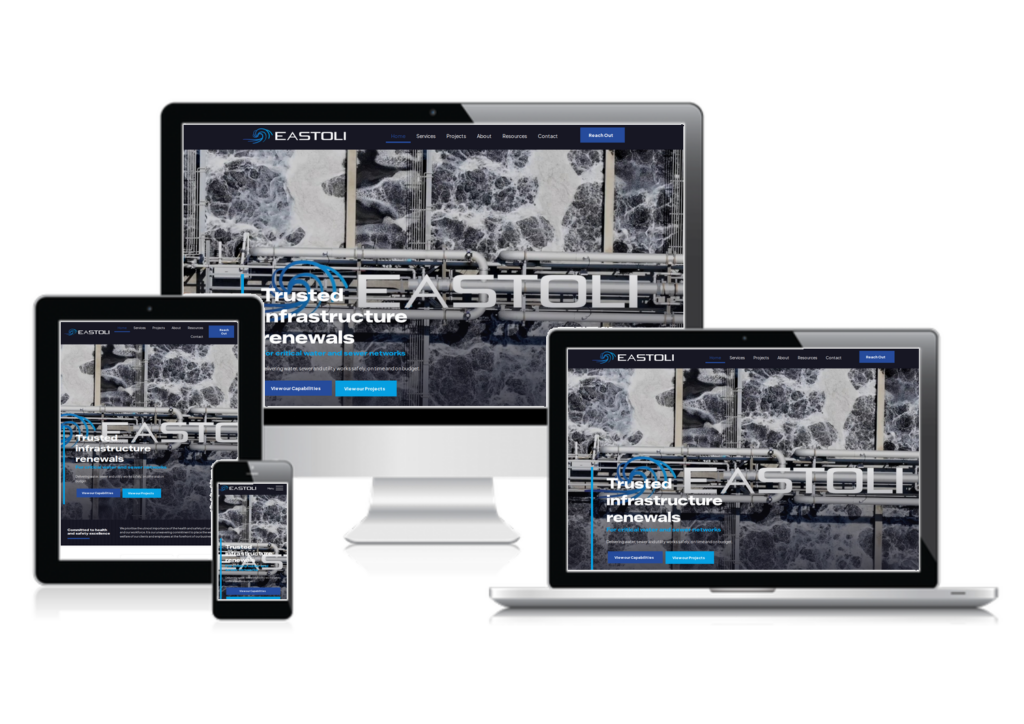

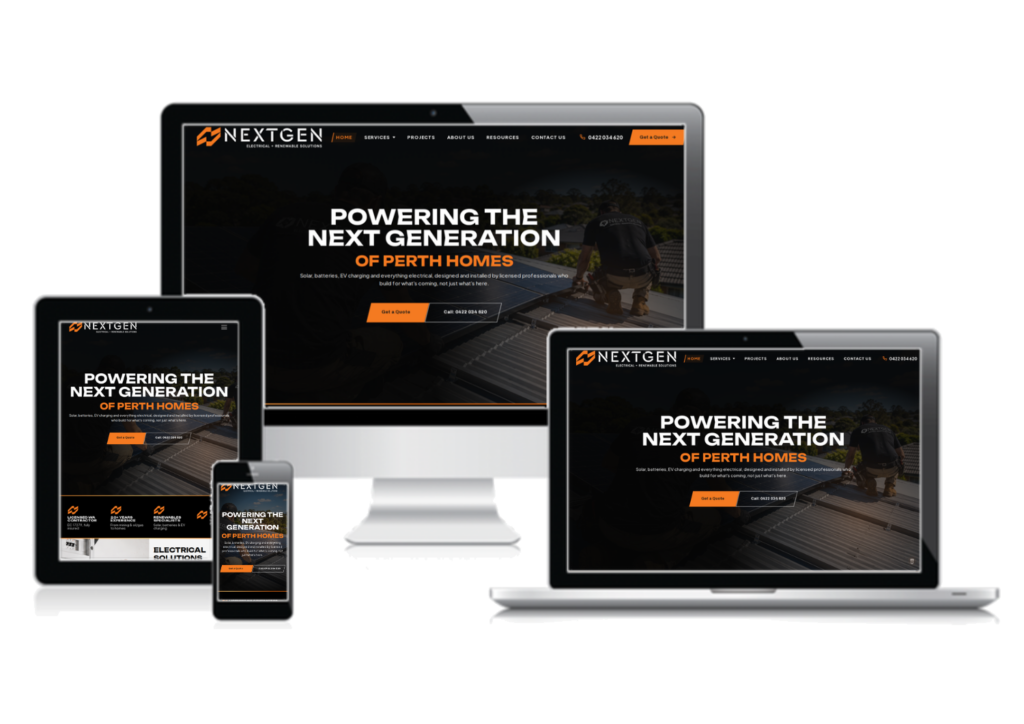


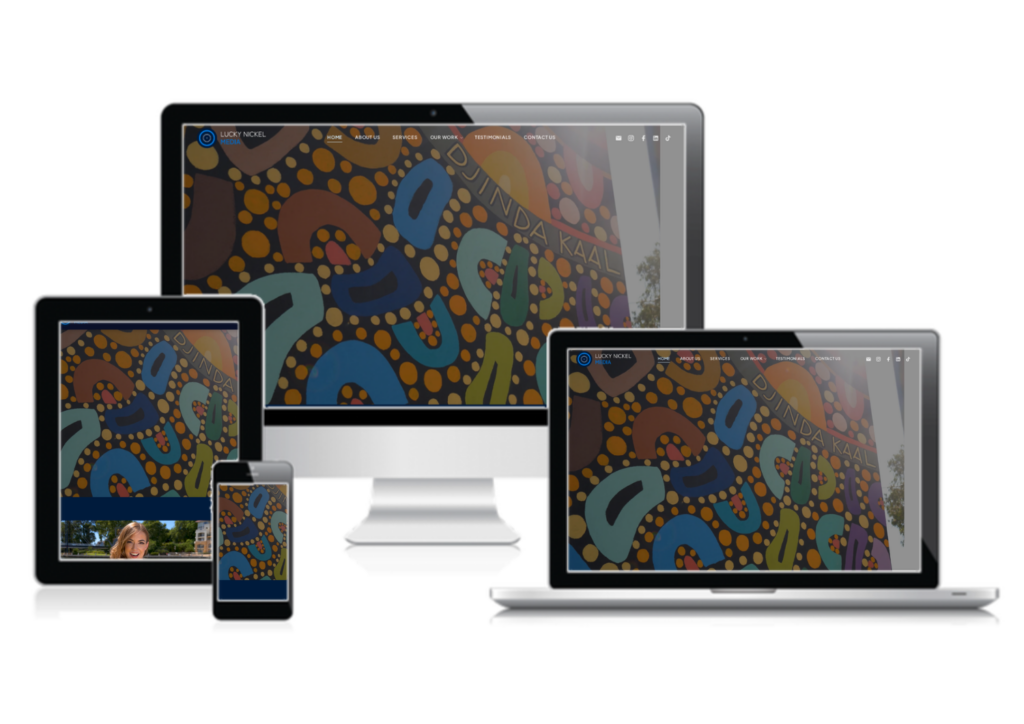
Ilana is a Web Designer & Development Consultant with 15+ years building websites that actually perform: ecommerce stores, membership platforms, training portals, and SEO rebuilds that turn slow, dated sites into properties that rank and convert.